Back to portfolio
View live app

Case Study · Real Estate SaaS

Scaling Real Estate Operations Through AI-Driven Automation

Redesigned KAST into a mobile-first growth platform that helps real estate agents manage leads, automate WhatsApp outreach, create listing kits, and run multi-channel campaigns from one connected ecosystem.

By Anubhaav Vermaa

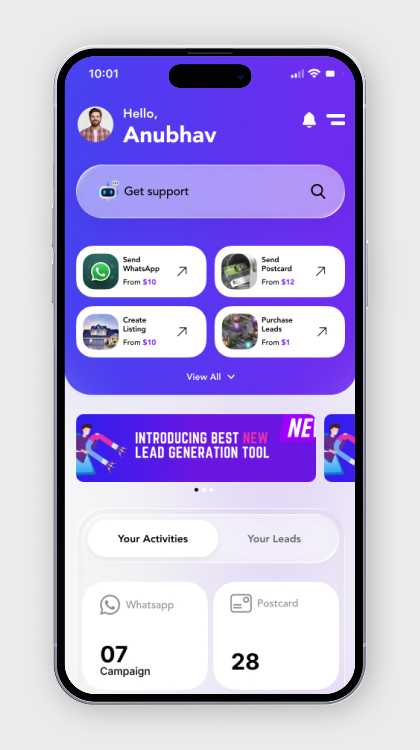
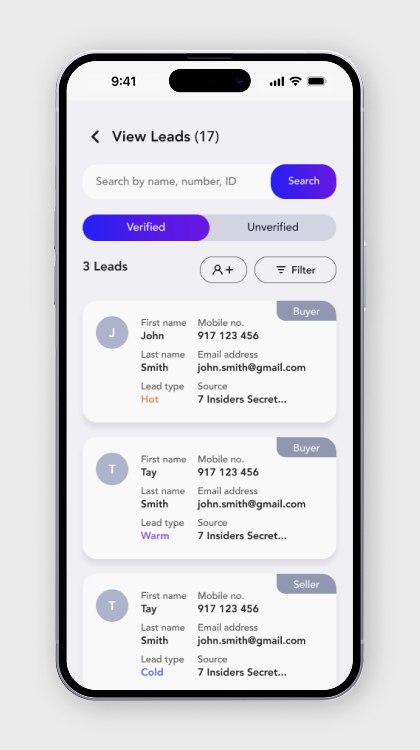
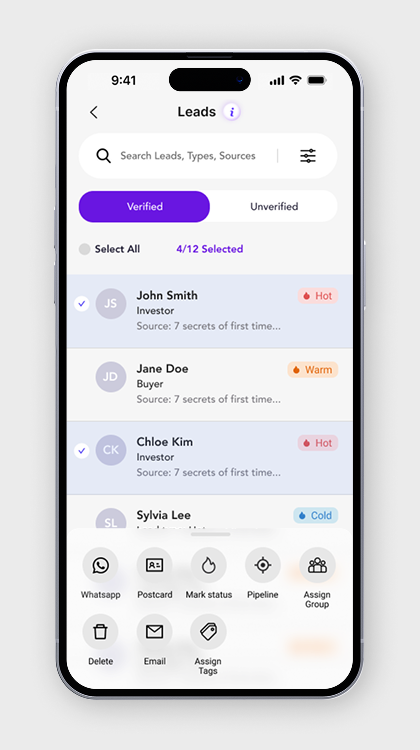
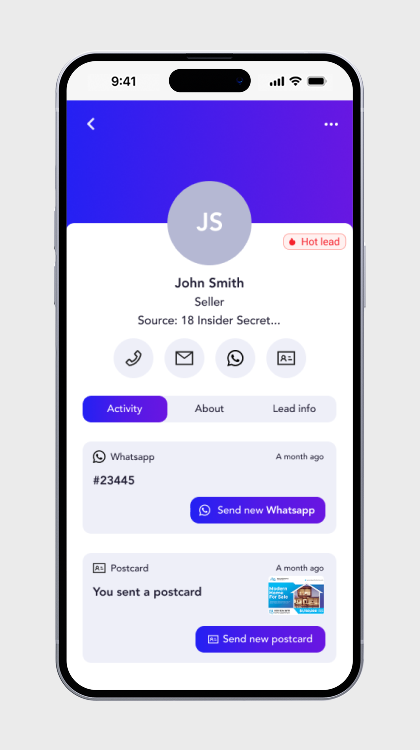
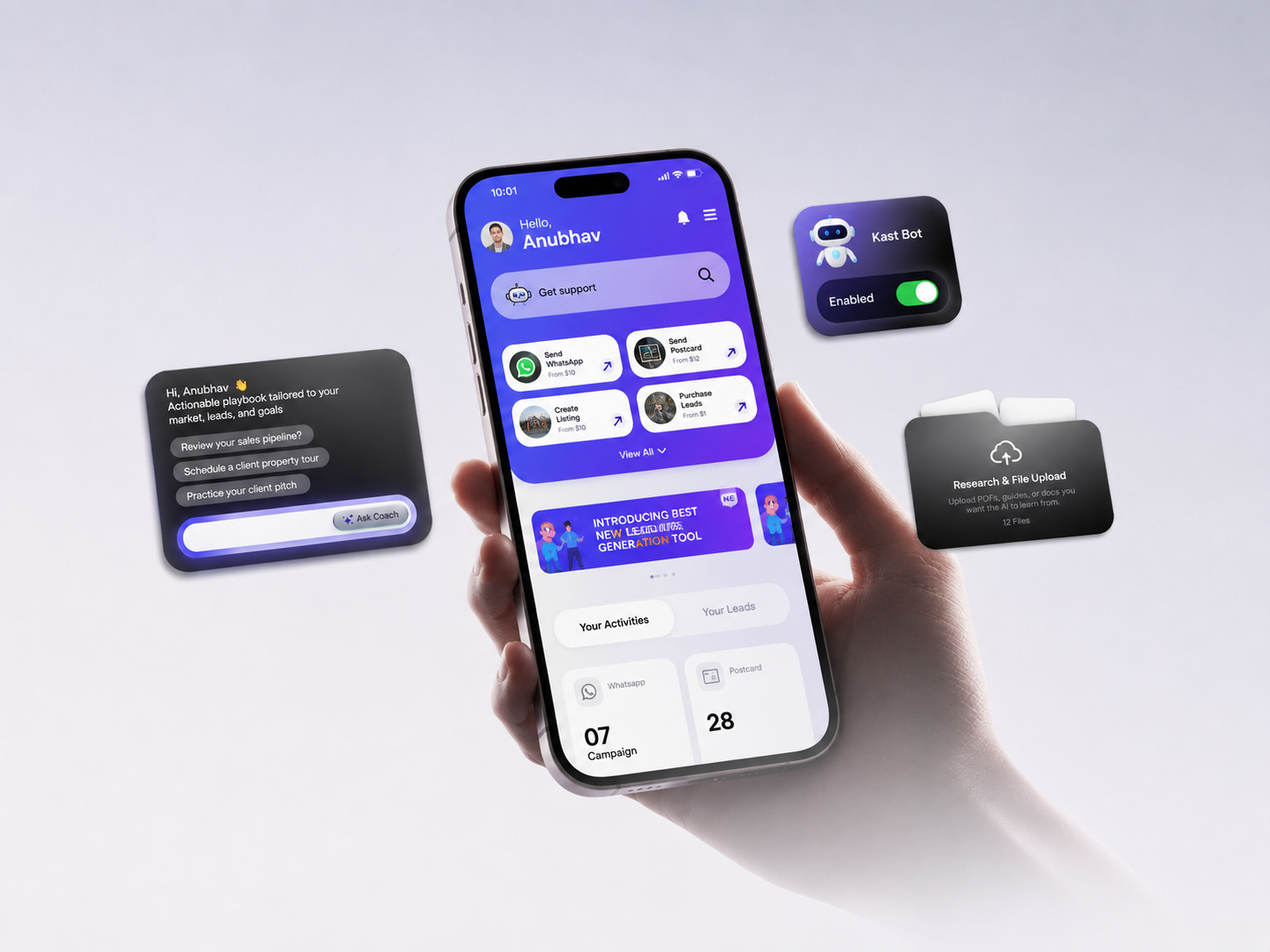
KAST real estate app — mobile screens
My Role
Sole Product Designer

Led end-to-end design across the mobile app — research, user flows, high-fidelity UI, and prototyping. Owned the complete product experience and contributed to product strategy and feature decisions.

Team
Cross-functional

Product Manager, Product Designer, UX Copywriters, and Developers.

Tools
Figma · Zeplin · Photoshop
Scope
Product & UX/UI

Product thinking, UI/UX, Wireframing, Rapid Prototyping, User Testing.

Duration
12 Months

Jan 2025 — Jan 2026

At a Glance

Transforming a Real Estate Growth Platform

KAST is a real estate SaaS platform that helps agents manage leads, market properties, send WhatsApp campaigns, mail physical postcards, purchase leads, and leverage AI-powered lead discovery.

I joined the project when around 25% of the app was already designed, but the experience lacked structure, consistency, and modern SaaS usability standards. I took ownership of redesigning core parts of the product — the Home Dashboard, Lead Management, and Postcard Workflow — and designed new features such as WhatsApp Business Integration, Simplified Listing Creation, Premium Listing Themes, and AI-driven lead workflows.

My focus was on simplifying complex workflows, improving lead organization, reducing friction in key tasks, and bringing the product closer to modern SaaS standards — enabling agents to manage leads, communicate with prospects, and publish listings more efficiently.

Context

Building a Unified Growth System for Real Estate Agents

KAST is designed as an all-in-one growth platform for real estate agents, aiming to streamline the entire journey from lead generation to client communication and conversion. By consolidating key workflows like lead management, outreach, and listing promotion, it seeks to replace fragmented tools with a unified system. However, the current experience failed to effectively support these workflows — resulting in inefficiencies, disconnected user journeys, and missed conversion opportunities.

Problem Statement

Identifying Workflow Gaps Behind Low Feature Adoption

Real estate agents were managing leads, communication, follow-ups, and marketing campaigns across multiple disconnected tools. As client volume increased, workflows became harder to manage — leading to fragmented communication, repetitive manual tasks, and reduced operational efficiency. KAST aimed to solve this by creating a centralized ecosystem where agents could manage their entire workflow, from lead organization to client engagement, within one scalable platform.

Before KAST

Fragmented Workflows Were Slowing Teams Down

Agents relied heavily on external tools to manage day-to-day operations. Client conversations happened on WhatsApp, lead tracking lived in spreadsheets, and campaign execution was spread across separate platforms. This disconnected workflow created constant context switching and made it hard to maintain efficient communication and visibility across the sales process. As operations scaled, these inefficiencies became even harder to manage.

  • Manual follow-ups
  • WhatsApp conversations
  • Spreadsheet tracking
  • Multiple marketing tools
  • Scattered lead sources
  • Missed opportunities

Key Challenges

01

Scattered communication

Client interactions were spread across multiple platforms, making conversations difficult to track and manage efficiently.

02

Manual operational work

Agents spent significant time on repetitive tasks such as follow-ups, lead organization, and campaign management.

03

Lack of central visibility

There was no unified system to monitor lead activity, engagement history, or outreach performance in one place.

04

Difficulty scaling workflows

As lead volume increased, managing communication and engagement manually became increasingly inefficient.

Research

I grounded the redesign in evidence — benchmarking industry standards, understanding the current app’s pain points, and mapping the agent journey before touching the UI.

Competitive Landscape

Benchmarked leading real estate and SaaS CRMs to understand industry standards, trends, and gaps we could exploit.

User Interviews & Goals

Spoke with active agents to understand daily workflows, pain points in the current app, and their ultimate goals.

Journey Mapping

Mapped the end-to-end agent journey to locate friction, drop-off, and moments that a revamp could solve.

Key Insight

Design Opportunity

WhatsApp was the real communication layer — agents already used it to contact leads, share properties, and follow up.

Bring WhatsApp workflows inside KAST instead of forcing agents to switch platforms.

Agents struggled to identify high-value leads — all leads looked the same despite differing intent.

Introduce tagging, grouping, prioritization, and lead activity visibility.

Marketing workflows were scattered across separate tools for campaigns, postcards, listings, and outreach.

Connect campaigns, listings, WhatsApp, and postcards into one ecosystem.

Existing CRM tools stored data but did not drive action — agents needed to act faster, not store more.

Turn KAST into an action-first platform focused on conversion.

Opportunity Areas

How might we help agents manage, prioritize, and convert leads without jumping between disconnected tools?

Solution

Transforming KAST into a Conversion-Focused Growth Ecosystem

To address the fragmented workflows, weak lead management, and disconnected communication within KAST, I redesigned several core areas to create a more scalable, conversion-focused experience — improving operational workflows, simplifying lead management, enhancing communication, and building a connected marketing ecosystem.

01

Redesigning the Homepage Experience

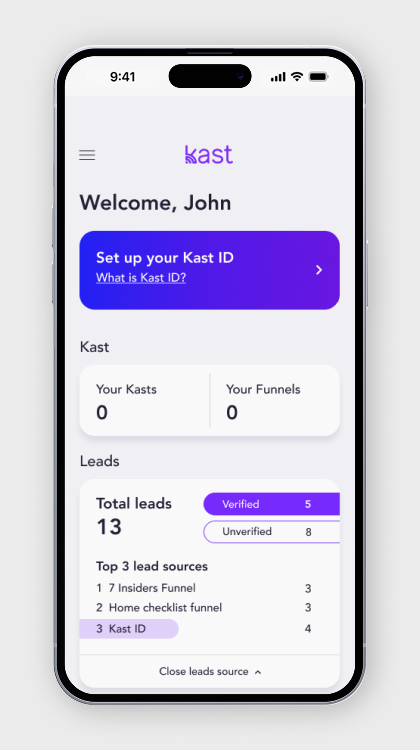
The homepage shifted from a passive dashboard into a daily workspace for agents.

Before

The old homepage mostly showed static numbers and did not help agents take meaningful action. Important features were hidden behind navigation, which made discovery slow.

After

I redesigned the homepage into a centralized action hub where agents can quickly access campaigns, listings, leads, WhatsApp outreach, postcards, and performance activity.

  • Activity overview for campaigns and leads
  • Quick access to core workflows
  • Promotion of paid / growth features

Before
KAST — Redesigning the Homepage Experience

After

KAST — Redesigning the Homepage Experience
02

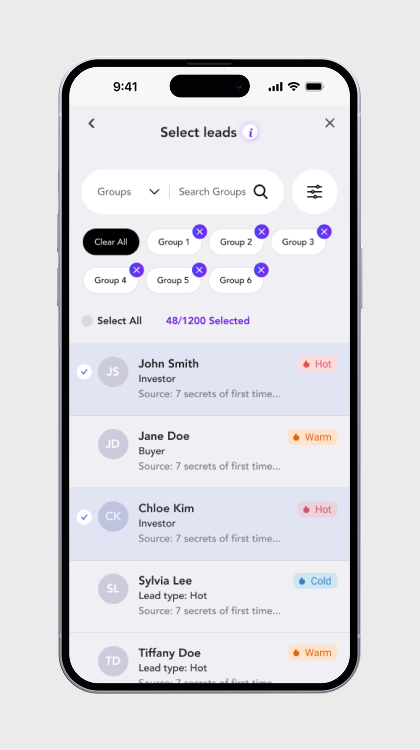
Lead Management as a Conversion System

Lead management became an active workflow instead of a static list.

Before

The old lead section worked like a basic contact list. Agents could add or delete leads, but they could not properly organize, prioritize, or understand lead activity.

After

I introduced grouping, tags, priority levels, and dedicated lead profiles so agents could manage leads based on intent, activity, and campaign history.

  • Lead priority helps agents focus on high-intent prospects
  • Tags and groups make lead organization scalable
  • Lead profile centralizes campaigns, communication, and activity

Before

KAST — Lead Management as a Conversion System

After

KAST — Lead Management as a Conversion System
03

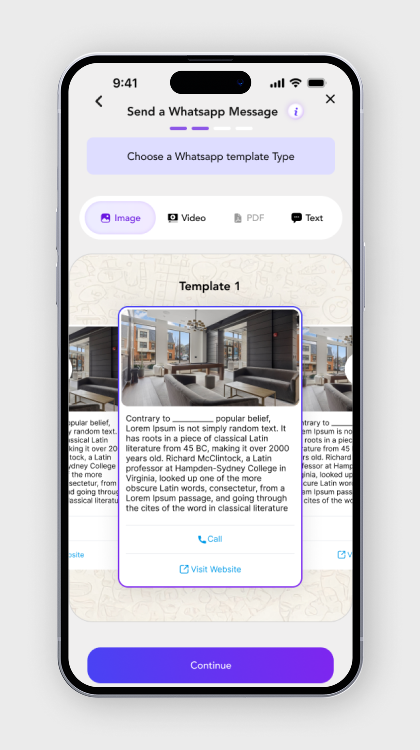
WhatsApp Business Messaging

Communication moved inside the product, connected to lead and campaign data.

Before

Agents were already using WhatsApp outside the platform, which disconnected conversations from lead data and campaign workflows.

After

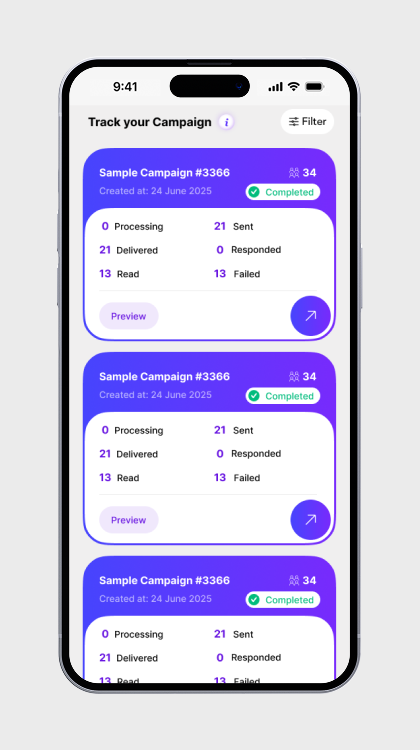
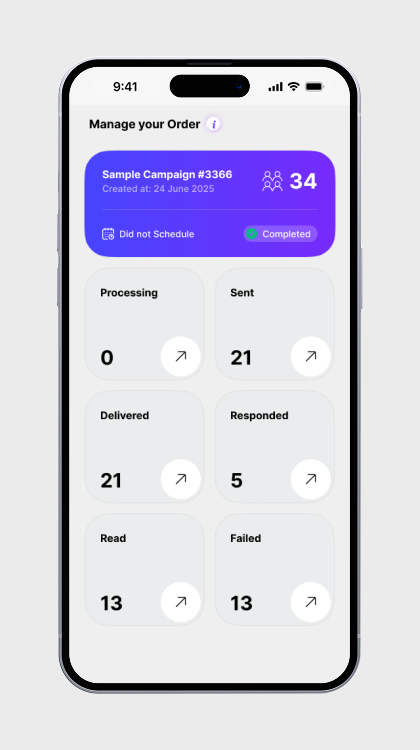
I integrated WhatsApp messaging into KAST so agents could send direct messages, run campaigns, and manage communication from inside the product.

  • Direct messaging without leaving KAST
  • Run outreach campaigns from lead data
  • Conversations linked to lead profiles
KAST — WhatsApp Business Messaging
04

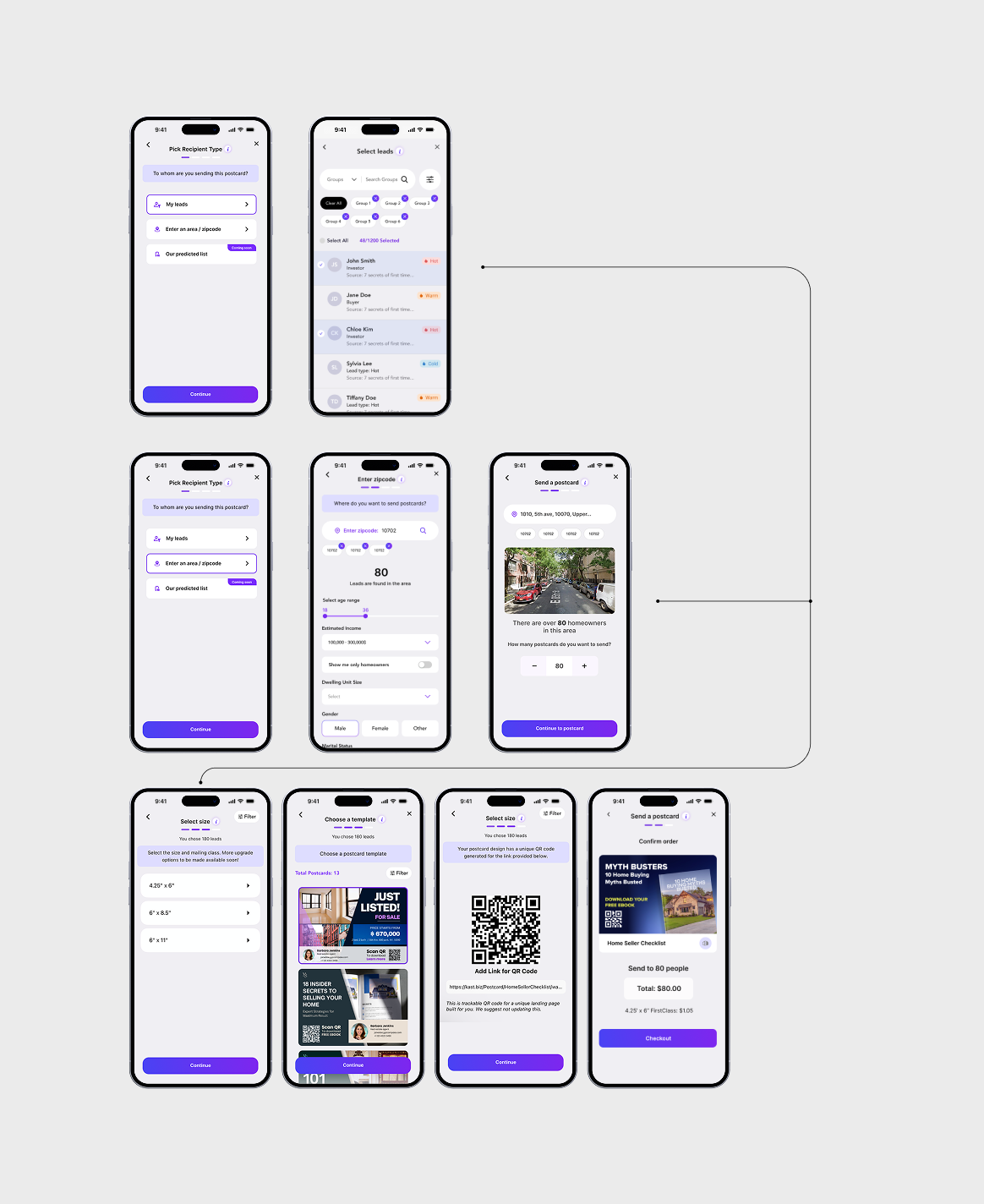
Postcard Campaign Flow

The postcard workflow became faster, clearer, and more campaign-friendly.

Before

Postcard creation felt rigid and difficult to customize, which reduced its usefulness for marketing campaigns.

After

I simplified the postcard workflow into a step-by-step campaign builder where agents can choose templates, personalize content, preview designs, and send campaigns faster.

  • Guided, step-by-step campaign builder
  • Templates with easy personalization
  • Live preview before sending
KAST — Postcard Campaign Flow
05

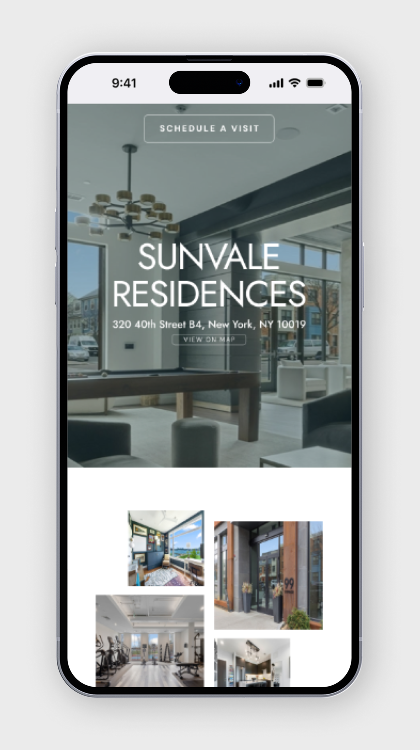
Listing Kits / KASTs

Listings changed from information pages into polished sales assets.

Before

Listings had useful property data, but the layout was cluttered and difficult to scan — weakening one of the most important conversion touchpoints.

After

I redesigned listings into structured, shareable listing kits that agents could use during outreach, campaigns, and client communication.

  • Cleaner property hierarchy
  • Better visual presentation
  • Shareable listing kit for campaigns and clients
KAST — Listing Kits / KASTs

Key UX Decisions

UX Decision

Why it mattered

Turned homepage into an action hub

Reduced navigation friction and made key workflows easier to discover.

Added lead grouping and tagging

Helped agents organize leads based on priority, source, and intent.

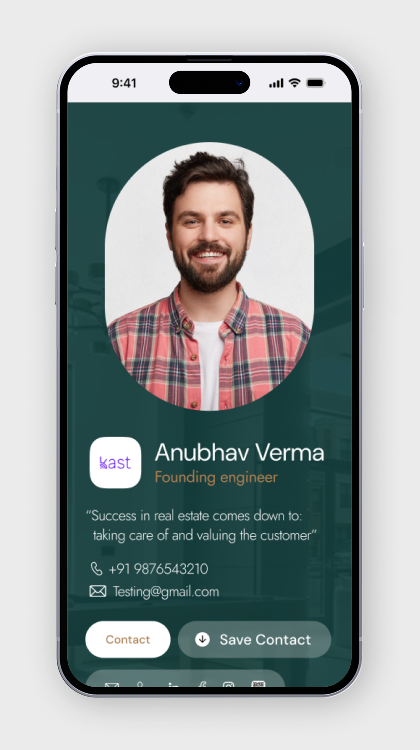
Created dedicated lead profiles

Centralized communication, campaign history, and lead activity.

Integrated WhatsApp into workflows

Reduced dependency on external tools and improved workflow continuity.

Improved listing hierarchy

Made property information easier to scan and share.

Simplified postcard creation

Reduced the effort required to launch offline campaigns.

Impact

The redesign transformed KAST from a static CRM-style app into a more connected, action-driven growth platform for real estate agents.

Before

Static CRM with disconnected tools

After

Connected growth ecosystem

Result

Faster lead management, better outreach, and stronger conversion workflows.

Product impact

  • Improved visibility of key workflows from the homepage
  • Reduced friction by bringing important actions closer to the user
  • Structured lead management through groups, tags, priority, and profiles
  • Connected WhatsApp communication with campaign and lead workflows
  • Improved listing readability and presentation quality
  • Stronger foundation for paid feature discovery and adoption

User impact

  • Agents can act faster
  • Leads are easier to organize
  • Communication feels more connected
  • Listings are easier to present and share
  • Campaign workflows feel less fragmented

Business impact

  • Better feature discoverability
  • Stronger conversion-focused workflows
  • More scalable campaign management
  • Improved positioning as a growth platform, not just a CRM

Learnings

This project helped me understand that strong product design is not only about improving screens — it is about improving how people work.

At the beginning, KAST looked like a UI problem. But deeper analysis showed the real issue was workflow fragmentation. Features existed, but they weren’t connected in a way that supported the daily behavior of real estate agents.

The biggest learning was that users do not adopt features just because they exist — they adopt them when those features are visible, useful, and connected to their existing habits. Since agents already depended on WhatsApp, the better solution was not to replace that behavior but to bring it into the product.

This project taught me to think beyond individual screens and design systems that connect user behavior, business goals, and product workflows.

Contact

Have a complex product problem? Let's make it make sense.

© 2026 Anubhaav Vermaa

Senior Product Designer · UI/UX · AI & SaaS